
What You Need to Know About Remote Pharmacy Work
This post may contain affiliate links. For more info, please click here.
A version of this post was originally published on GoodRx.
For more writing samples, please visit my Muck Rack portfolio.
Key takeaways
During the COVID-19 pandemic, various pharmacy settings began offering more work-from-home (WFH) options to pharmacists.
Remote pharmacist positions are popular — you may need to find ways to improve your competitive edge.
Since all remote work isn’t the same, the “best” remote role will vary for different pharmacists.
The worldwide pandemic continues to change our lives in many ways — including the way we work. Before the COVID-19 outbreak, only 3.6% of employed Americans worked from home, and only some of the time. Pharmacy work from home (WFH) opportunities were also limited — despite technological advancements.
By April 2020, the number of remote American workers increased to 62% and remained steady in early 2021. Similarly, during the COVID-19 pandemic, certain pharmacy settings also made WFH options more available.
As of March 2021, one study showed 26% of Americans prefer remote work. This rising trend coincides with the many upsides to remote work — including job satisfaction and health benefits, such as lower risk of depression and obesity. Are these benefits translatable to the pharmacy industry? More research is still needed, but with up to 70% of pharmacists experiencing burnout, remote work might be a potential solution in preventing burnout and improving work-life balance.
In this article, we’ll discuss what you need to know about remote pharmacy work.
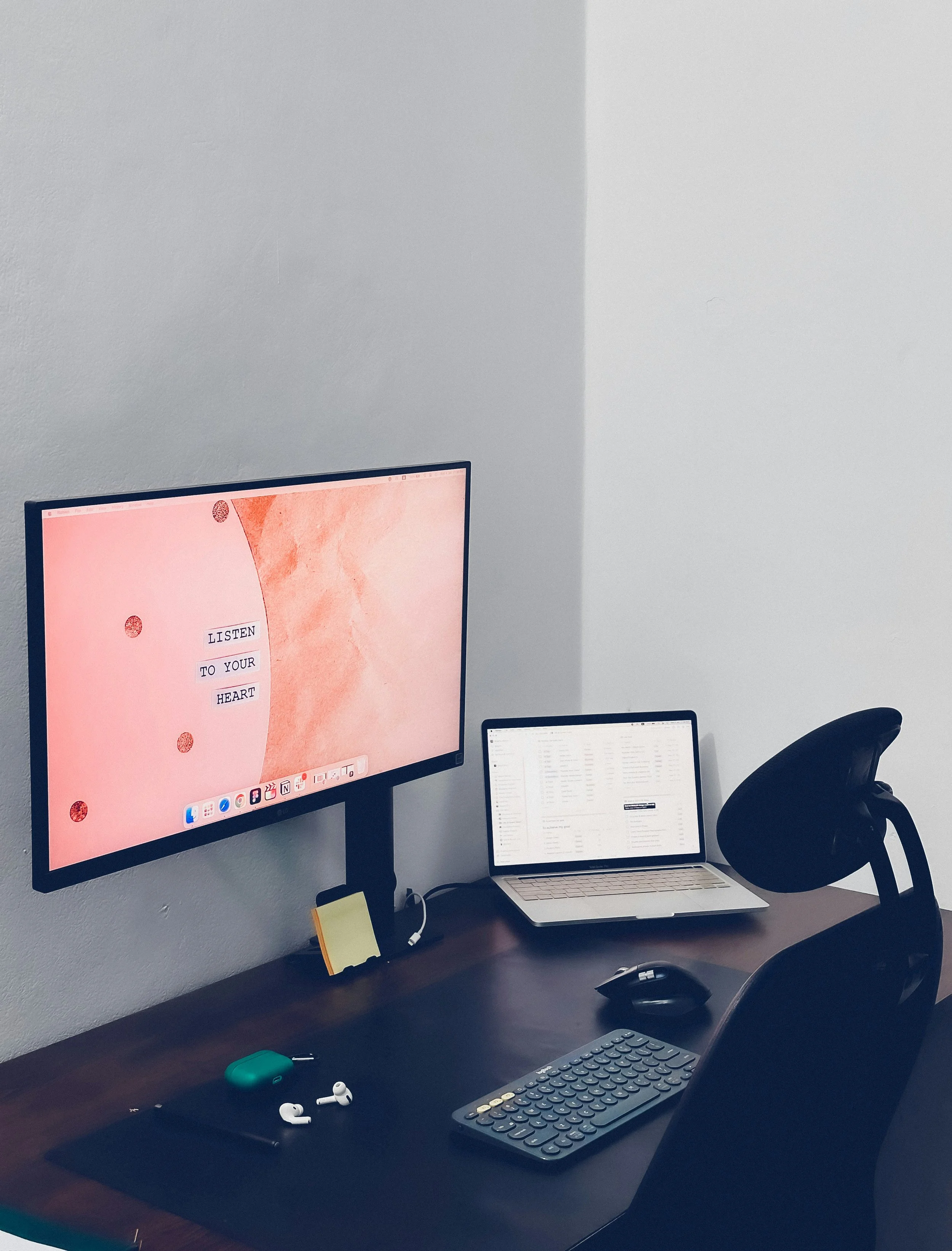
Remote Pharmacy Settings
The following pharmacy settings tend to have WFH options for pharmacists.
1) Academia
You don’t have to be a researcher or a professor to become faculty at an academic institution — like Massachusetts College of Pharmacy and Health Sciences (MCPHS). You — like many pharmacists — might have teaching experience as preceptors. In addition to pharmacy schools, pharmacists are valued in teaching roles at other professional programs, including pharmacy technician and nursing schools. Remote positions in academia are more prevalent now during COVID, with faculty and students attending virtual classes.
2) Ambulatory care
With current technological advancements, ambulatory care pharmacists can remotely and securely log into the electronic health record (EHR) to view patients’ medical history, add encounter notes, and privately message healthcare providers. These pharmacists can also remotely visit with patients via phone or video. An example of a remote ambulatory care pharmacy company is RxLive.
3) Inpatient pharmacy
Although many inpatient pharmacists physically work in the hospital, other pharmacists activate orders and perform patient-care responsibilities from home. Some of these remote pharmacists work for companies (e.g., Cardinal Health) that contract with multiple hospitals, while other pharmacists focus on only one hospital for a large health-system — like HCA Healthcare.
4) Medication therapy management (MTM)
In the past, ambulatory care and community pharmacists would provide MTM services face-to-face in a physical office or pharmacy. Now, pharmacists are able to remotely provide MTM services over the phone with companies — like Tabula Rasa.
5) Pharmaceutical industry

Pharmaceutical industries — like ProPharma — value pharmacists in many different WFH positions — including clinical development, medical information, medical science liaison (MSL), medical writer, pharmacovigilance, and more.
6) Pharmacy benefit manager (PBM) or managed care
In addition to MTM, managed care companies — like Molina Healthcare — have many remote pharmacist opportunities, including formulary management and prior authorization review.
7) Pharmacy informatics
When health-systems began to switch from paper to digital records, opportunities in pharmacy informatics emerged. Although some pharmacists physically work on-site at the hospital, many of them have the WFH option. Informatics pharmacists focus on patient safety and positive outcomes by functioning as a liaison between the clinical and technical teams to create and maintain user-friendly management systems, such as the bar code medication administration (BCMA) program, smart pump drug libraries, and clinical decision support tool of computerized provider order entry (CPOE).
8) Pharmacy start-up companies
Some pharmacy start-ups that have WFH options include pharmacogenomics companies (e.g., Color), mail-order (e.g., Capsule), and specialty (e.g., CoverMyMeds) pharmacies. Some of these start-ups directly offer WFH opportunities. A few of these start-up businesses, however, only have WFH options by working with another company. This other company contracts with multiple pharmacies to provide remote services.
Gaining a competitive edge to become a remote pharmacist
Many pharmacists are aware that the pharmacy job market is very saturated. Since these WFH settings are gaining in popularity, there is some additional competition for these remote positions. So, how do you get your foot in the door? Consider some of the following:
1) Certifications
For some settings — like inpatient, board certifications might improve your chances of getting a position. Additional board certifications communicate to employers a commitment to staying up-to-date and providing high-quality care.
2) Course certificates
There are also courses that will offer certificates, such as pharmacogenomics, pharmacy informatics, and project management. Consider these courses to help you gain additional skills to include on your resume.
3) Experience
If you notice any skill gaps after reading a WFH pharmacist job description, consider finding opportunities to gain more experience — for example — by volunteering or shadowing another professional to include additional skills to your resume.
4) Interviewing
Interviewing can be difficult for many of us. If you feel a little rusty, find time to prepare to make a lasting first impression for your pharmacy interviews. Furthermore, WFH positions tend to have virtual interviews, which can be different from phone and face-to-face interviews.
5) Multiple state licenses
Although you don’t need multiple state licenses for most WFH roles, some positions — like ambulatory care, inpatient, mail-order, and specialty pharmacy start-ups — tend to require many state licenses. With multiple licenses, these remote pharmacies might strongly consider you for a WFH pharmacist position — over other candidates — because of your fast onboarding process and your immediate ability to simultaneously help them with numerous clients and many states.
However, take time to weigh the benefits against the financial and time commitment. Make sure the return on investment will be worth it for you.
6) Networking
Although you know the importance of expanding your network, many of us only interact with colleagues at work. Find opportunities to stay connected with the pharmacy profession outside of your job. Additionally, learn how to network with pharmacists in various remote settings on LinkedIn.
7) Resume and cover letter
Due to the saturated pharmacy job market, many pharmacists feel pressured to quickly apply by submitting a generalized resume with a simple cover letter. Unfortunately, this tactic doesn’t help you stand out.
Consider taking time to learn about the company and study the job description to tailor your resume and cover letter. Hiring managers can tell the difference between “cookie-cutter” and customized resumes with thoughtful cover letters.

8) Knowing the best remote position for me
Although WFH opportunities are appealing, you might receive limited support and training. So, you’ll need to have some computer proficiency to troubleshoot your own technical difficulties and to quickly learn various computer software programs. Furthermore, you’ll need to be comfortable with training yourself.
When you find a WFH opportunity, keep in mind that not all remote jobs are the same. So, learn more about the position and the day-to-day responsibilities. Additionally, consider the following factors to help you determine which specific roles might be better for you.
Do you dislike making cold calls? If you don’t like to make cold calls, then consider avoiding MTM and some ambulatory care positions.
Do you prefer someone to make appointments and bill encounters for you? If you would like for someone to help you with appointment scheduling and encounter billing, this is possible with some ambulatory care positions.
Do you dislike documenting your encounters for prescribers and writing notes for patients? If you don’t like to document or write notes, consider avoiding MTM and ambulatory care roles.
Do you thrive on assignments and projects? If you like working on assignments, consider industry and informatics settings. Some ambulatory care, inpatient, and PBM roles are also project-oriented.
Do you have a preference for not being on-call? If you don't like having on-call duties, inpatient and informatics might not be the best options for you.
Do you dislike having more work after the end of your shift? If you prefer to have no afterwork expectations, you might want to avoid academia, ambulatory care, and MTM. Although you might have set hours in these settings to visit with students or patients, all of the planning, billing, and paperwork could occur outside of your scheduled hours.
Do you prefer to work whenever you want? If you like to make your own hours as long as you meet deadlines, then some industry and informatics roles might fit this criteria.
The bottom line
With a high number of pharmacists experiencing burnout, many pharmacists are considering WFH options to potentially improve job satisfaction and quality of life. Since these WFH positions are popular, find ways to make yourself a competitive candidate and know which type of remote position might be the best option for you.
ABOUT THE AUTHOR:
You know how barriers may sometimes prevent people from meeting their goals? If you have any barriers that are making it difficult to reach your goals, there is a way to overcome these obstacles with personalized consultations and services tailored to your unique needs.
Ross is the founder of Off Script Consults, an award-winning pharmacist consulting business. She has years of experience practicing pharmacy in various settings, which she uses to help colleagues by offering career coaching and business consulting sessions. As a board cerified clinical pharmacist, she also provides personalized health consultations. Ross further uses her skills as a medical writer and reviewer with a focus on digital health publications and medical communications. Refer to the About page for more disclosure information.
To book a discovery meeting, please use her calendar link.
If you find this post helpful, consider buying me a coffee. Your support makes it possible to access insights and wellness resources, as well as clinician and business content, without additional costs.
